EXPERT INSIGHTS featuring Simon Mused
The Power of Water: Why the Effort is Worth the Reward
December 12, 2025

December 12, 2025
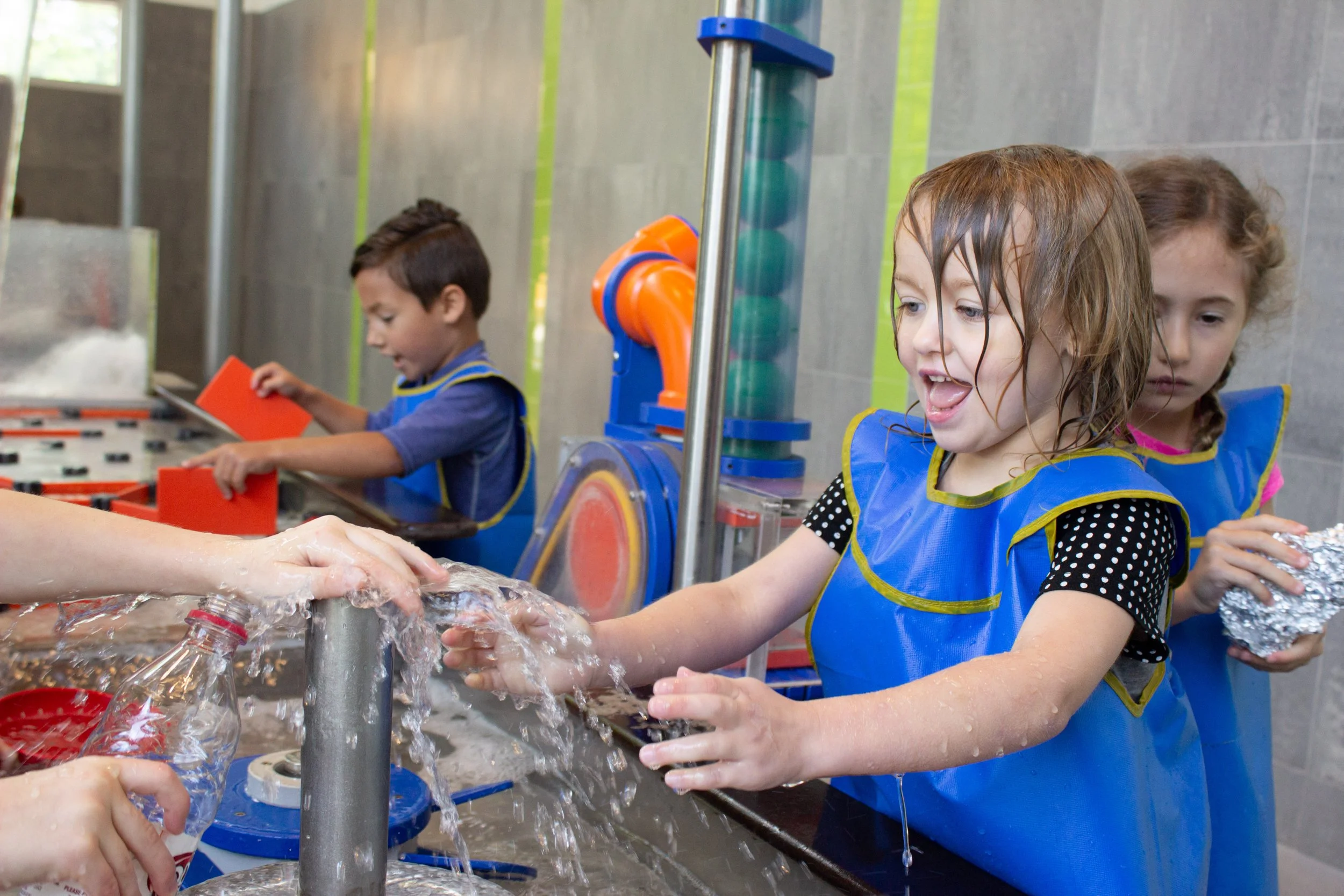
Water exhibits possess a magnetic quality that is almost impossible to replicate elsewhere on the museum floor. They are frequently the busiest, liveliest, and most beloved areas, offering unmatched sensory engagement and open-ended play that keep families returning time and again. While these spaces are undeniably successful at drawing crowds, seasoned museum professionals know they also demand respect from an operational standpoint. The reality of cleaning filters and keeping floors dry requires a dedicated approach to ensure the fun never stops.
This creates an important conversation for any team considering a renovation or new build. Does the immense visitor satisfaction justify the ongoing maintenance requirement? To help us navigate these currents, we turned to Simon Mused, Senior Exhibits Manager at the Scott Family Amazeum. With over a decade of experience managing both indoor and outdoor water landscapes, the Amazeum team has gathered valuable real-world insights on how to balance operational needs with the high-impact payoff of water play.
“Kids hear all the time that ‘this canyon was carved by water’ or ‘water makes plants grow,’ but they really can’t fathom it because it’s not happening in front of them.”
What is it about water play that makes it so universally appealing to guests? According to Simon, the magic lies in the ability to interact with such a powerful force of nature. Children often hear abstract concepts in school, but seeing those concepts in action is what truly sinks in. Simon explains, “Kids hear all the time that ‘this canyon was carved by water’ or ‘water makes plants grow,’ but they really can't fathom it because it's not happening in front of them.”
Water tables bring these complex aspects of nature down to a tangible level. Children engage from a sensory perspective by touching the water, while simultaneously observing natural effects right in front of their eyes. They can see clearly how erosion forms streams or how dams control flow. Simon confirms what many institutions find: water spaces are consistently highly rated in terms of visitation and dwell time because guests absolutely love the ability to manipulate water.
Managing a water feature starts with the physical space. Since water will inevitably end up on the floor, choosing the right slip-resistant surface is of the utmost importance. While materials like brushed concrete or specialized non-slip polymers are effective, the Amazeum took creativity to the next level by using fiberglass grating for their flooring. This creates a surface with plenty of grip that allows water to drain directly through it, preventing puddles from forming. Regardless of the material, ensuring adequate slope and drainage is critical to avoid standing water and the slippery buildup that comes with it.
Once the physical space is set, the focus shifts to the water itself. Keeping hundreds of gallons clean can feel like a chemistry experiment, but Simon advocates for automated chemical systems to lighten the load. Instead of manual daily testing, these systems monitor chemical levels in real-time and self-sustain by automatically dispensing as needed.
While these automated systems and specialized floorings require more upfront planning, the long-term payoff is undeniable. Simon notes that this approach reduces their daily maintenance to simple filter checks and surface wipe-downs. It is also a win for conservation; thanks to constant filtration and treatment, a single tank of water can last the museum up to a year.
“Since water tables are permanent fixtures, the key is to be proactive during the design phase.”
We asked Simon directly if he felt like having water features was worth the investment. He said “We know through observation, dwell time, and play that it is a great investment for us.” Simon notes that in their guest surveys performed, the water play areas are typically among the top rated galleries with many guests coming straight to those spaces to begin their time at the museum.
The obstacles associated with water galleries are real, but with early planning, they are entirely manageable. Since water tables are permanent fixtures, the key is to be proactive during the design phase. Simon's final piece of advice is to advocate for the experience you want. As he says: “If you want a great water experience, you have to let your designers know that. Talk to your fabricator, talk to your architect, and ask honest questions. Advocate for yourself.” This attitude of curiosity and preparation is exactly what keeps the fun flowing at the Scott Family Amazeum, making the museum a huge success in the community and furthering their core purpose of nurturing the creative and curious spirit in everyone who passes through the doors!